
On-page SEO is often misunderstood. Some think it’s just about adding keywords. Others believe once it’s done, it never needs attention again. In reality, on-page SEO is less about ticking boxes and more about making a page genuinely easy to understand — for both users and search engines.
The on-page SEO factors that actually affect rankings today are mostly tied to clarity, intent, and experience. Let’s break that down in a practical way.
Why On-Page SEO Factors Still Matter More Than Ever
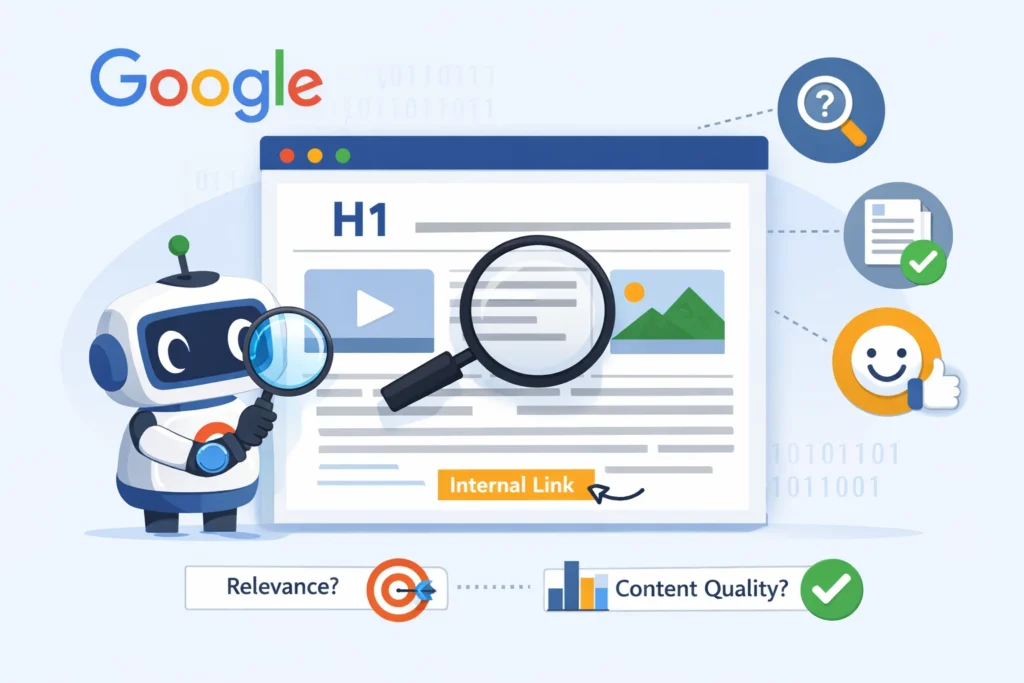
Search engines have also become smarter; however, they still depend on what is available on your page to determine where it belongs in the search results. Google initially makes an attempt to know what your page is and whether it is indeed useful to the searcher before the concept of backlinks or authority comes into play.
When there are poor on-page SEO elements, even the good off-page SEO would not work.
Search Intent Comes Before Keywords
One of the most important on-page SEO factors is search intent. Keywords still matter, but intent decides how content should be written.
If someone searches for information and lands on a sales-heavy page, they leave. If someone wants a solution and finds vague explanations, they leave again. Search engines notice this behaviour.
Strong on-page SEO aligns the page with what the user expects to find, not just what they typed.
Title Tags and Meta Descriptions That Get Clicks
Title tags and meta descriptions don’t just help rankings; they influence whether someone clicks your page at all.
A well-written title that clearly states value often performs better than one stuffed with keywords. The same applies to meta descriptions. While they’re not direct ranking factors, higher click-through rates send positive signals.
This makes them quite powerful on-page SEO factors.
Content That Solves a Real Problem
Search engines favour pages that answer questions clearly. Length alone doesn’t matter. What matters is whether the content removes confusion.
Good content:
- Explains the topic fully
- Avoids unnecessary fluff
- Uses simple language
- Stays focused on one main idea
When content feels written for people, rankings usually follow.
Internal Linking as an On-Page SEO Factor
Internal links help search engines understand how pages relate to each other. They also help users explore your site naturally.
A page with no internal links often feels isolated. But when content connects logically, it strengthens topical relevance and improves crawlability.
Internal linking is one of the most overlooked on-page SEO factors, yet one of the easiest to fix.
Page Experience and Readability
Great content still struggles when people can’t read it comfortably. Walls of text, poor spacing, and unclear sections push users away.
Readability affects:
- Time on page
- Scroll depth
- Engagement
All of these indirectly influence rankings. Clean formatting, short paragraphs, and logical breaks make a real difference.
Heading Structure and Content Flow
Headings guide both readers and search engines. A clear H1, followed by well-structured H2s and H3s, helps explain the hierarchy of information.
This doesn’t mean forcing keywords into every heading. It means using headings to make the content easier to scan and understand.
Among on-page SEO factors, structure plays a bigger role than most people realise.
Image Optimisation Beyond File Size
Images aren’t just decoration. When used correctly, they support content and improve understanding.
- Optimised images include:
- Relevant visuals
- Descriptive alt text
- Proper placement near related content
They help with accessibility and context, which search engines value more than ever.
URL Structure and Page Clarity
Clean URLs are another minor yet practical on-page SEO element. A URL that depicts the topic of the page well will boost the trustworthiness of the content on the page among both the users and search engines.
Small and descriptive URLs work better than long, confusing URLs full of numbers or meaningless words.
Content Freshness and Updates
Updating existing content often delivers better results than constantly publishing new pages. Search engines prefer pages that stay accurate and relevant.
Refreshing examples, improving clarity, or adding missing information keeps content competitive without starting from scratch.
A Real Example: Small Fixes, Big Impact
Consider a service website that wasn’t ranking despite decent backlinks. Instead of building more links, the focus shifted to on-page SEO factors.
They simplified the content, improved headings, aligned pages with search intent, and fixed internal links. Within a few months, rankings improved — without any new backlinks.
That’s the power of on-page SEO done right.
On-Page SEO Factors That Matter Less Than Before
Some practices have lost impact:
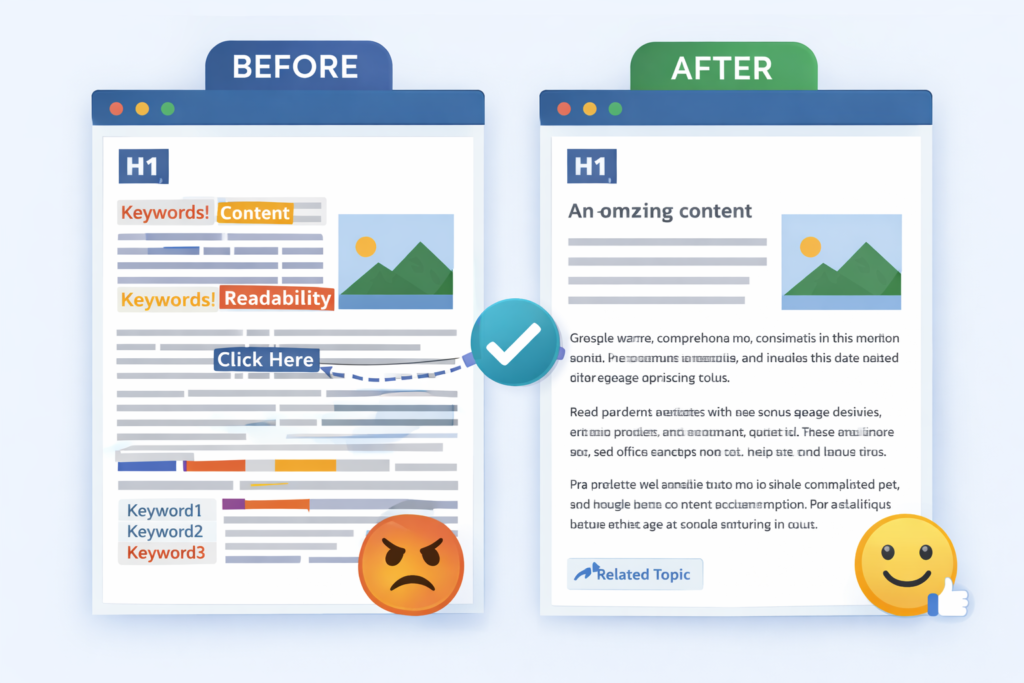
- Keyword stuffing
- Over-optimised anchor text
- Writing only for search engines
- Ignoring user experience
Modern SEO rewards usefulness, not manipulation.
Final Thoughts
On-page SEO factors are not about tricks or shortcuts. They’re about making your page easy to understand, helpful to users, and clear in purpose.
When you focus on clarity and intent, rankings become a natural outcome — not a struggle.
Frequently Asked Questions
Q1: What are the most important on-page SEO factors?
Search intent, content quality, headings, internal linking, and page experience are among the most impactful.
Q2: Can on-page SEO alone improve rankings?
Yes, especially for low to medium competition keywords. Strong on-page SEO often delivers noticeable improvements even without backlinks.
Q3: How often should on-page SEO be updated?
Review important pages every few months or after major changes in search behaviour or content relevance.
Q4: Are keywords still important for on-page SEO?
Yes, but they should be used naturally. Understanding intent matters more than repetition.
Q5: Does on-page SEO work for new websites?
Absolutely. Strong on-page SEO gives new websites a solid foundation to grow rankings over time.